Unabomber — Ted Kaczynski
ConvictedLincoln, MT· 1978
Unabomber — Ted Kaczynski
domestic-terrorismserial-bombermanifestofbimontana
Updated April 17, 2026
Location
Lincoln, MT
Incident
May 25, 1978
Resolved
May 4, 1998
Status
ConvictedType
domestic terrorism
Victims
Hugh Scrutton, Thomas Mosser, Gilbert Murray
Ted Kaczynski, a former UC Berkeley mathematics professor, conducted a nationwide mail bombing campaign from 1978 to 1995 that killed three people and injured 23 others. He was identified after his brother recognized his writing style in a published manifesto and was sentenced to life in prison without parole.
Theodore John Kaczynski, known as the Unabomber, was an American domestic terrorist and former mathematics professor who conducted a nationwide mail-bombing campaign targeting universities, airlines, and technology companies between 1978 and 1995. He killed three people and wounded 23 others. His case is one of the longest and most expensive investigations in FBI history, ultimately cracked not by technology but by his own writing. CNN
Born on May 22, 1942, in Chicago, Illinois, Kaczynski was a child prodigy. He enrolled at Harvard at age 16, earned a PhD in mathematics from the University of Michigan, and briefly taught at UC Berkeley before abruptly resigning in 1969 and moving to a primitive cabin in Lincoln, Montana, where he lived off the land, mostly without electricity or running water.
Kaczynski's first bomb was placed at Northwestern University in May 1978 — a mail bomb that injured a security guard. He continued bombing sporadically through the late 1970s and 1980s. The FBI code-named the investigation UNABOM (University and Airline Bomber), and the Unabomber moniker entered public consciousness.
His first fatal bomb killed computer rental store owner Hugh Scrutton in Sacramento in December 1985. Over the following decade, his bombs grew more sophisticated and lethal, targeting executives at technology companies, computer scientists, and others he viewed as symbols of industrial civilization. The Guardian
In 1995, Kaczynski sent a 35,000-word manifesto — "Industrial Society and Its Future" — to The New York Times and The Washington Post, threatening to continue bombing unless the manifesto was published. After consultation with the FBI, both papers published it. The decision proved critical: Kaczynski's brother David recognized the writing style and contacted the FBI. Washington Post
Kaczynski was arrested at his cabin in Lincoln, Montana on April 3, 1996. FBI agents found bomb components, a typed manuscript version of the manifesto, and detailed coded journals describing his crimes. NPR
Kaczynski was charged with ten counts of illegally transporting, mailing, and using bombs, and four counts of murder. His trial was scheduled to begin in January 1998. The case became complicated when Kaczynski dismissed his attorneys, who had planned to use a mental illness defense he found degrading.
Rather than be portrayed as mentally ill, Kaczynski sought to plead guilty without a mental defect clause. After negotiations, on January 22, 1998, he entered a guilty plea to all charges in exchange for the government dropping its pursuit of the death penalty. He admitted to 16 bombings from 1978 to 1995 that killed three and injured 23. AP News
On May 4, 1998, U.S. District Judge Garland Burrell Jr. sentenced Kaczynski to four life sentences plus 30 years in prison, with no possibility of parole. Several survivors and family members of victims addressed Kaczynski at sentencing, calling him a coward.
Kaczynski was incarcerated at ADX Florence, the federal government's highest-security prison in Colorado. He continued writing, corresponding with scholars and researchers. On June 10, 2023, he was found unresponsive in his cell and pronounced dead at a hospital. His death was ruled a suicide by hanging. He was 81 years old. BBC
Key eventSupporting
1998
May 4, 1998
Kaczynski Sentenced to Life Without Parole
After pleading guilty to all charges in January 1998, Kaczynski is sentenced to four consecutive life terms plus 30 years in federal prison without the possibility of parole.
Source →1996
April 3, 1996
Ted Kaczynski Arrested at Montana Cabin
FBI agents arrest Ted Kaczynski at his remote cabin near Lincoln, Montana after his brother David identified his writing in the manifesto. Agents find bomb-making materials, a completed bomb, and the original manifesto manuscript.
Source →1995
September 19, 1995
Manifesto Published in The Washington Post
The Washington Post publishes Kaczynski's 35,000-word manifesto "Industrial Society and Its Future" as a special supplement. The FBI and DOJ agreed to publication hoping someone would identify the author.
Source →April 24, 1995
Final Bombing Kills Gilbert Murray
Gilbert Murray, president of the California Forestry Association, is killed by a mail bomb at his Sacramento office. This is the Unabomber's third and final fatal attack, and his last bombing overall.
Source →1985
December 11, 1985
First Fatal Bombing — Hugh Scrutton Killed
Hugh Scrutton, a Sacramento computer store owner, is killed by a bomb disguised as a piece of road debris left behind his store. This is the Unabomber's first murder after seven years of non-fatal attacks.
Source →1978
May 25, 1978
First Unabomber Attack at Northwestern University
A package bomb injures Terry Marker, a campus security officer at Northwestern University in Evanston, Illinois. This is the first known Unabomber attack, beginning a campaign that would span 17 years.
Source →Loading…
Relationship data not yet mapped — nodes positioned by force simulation.
Victim
Suspect / Convicted
Unknown Subject
Witness
Investigator
Attorney
Family
Witness
arrow_forward
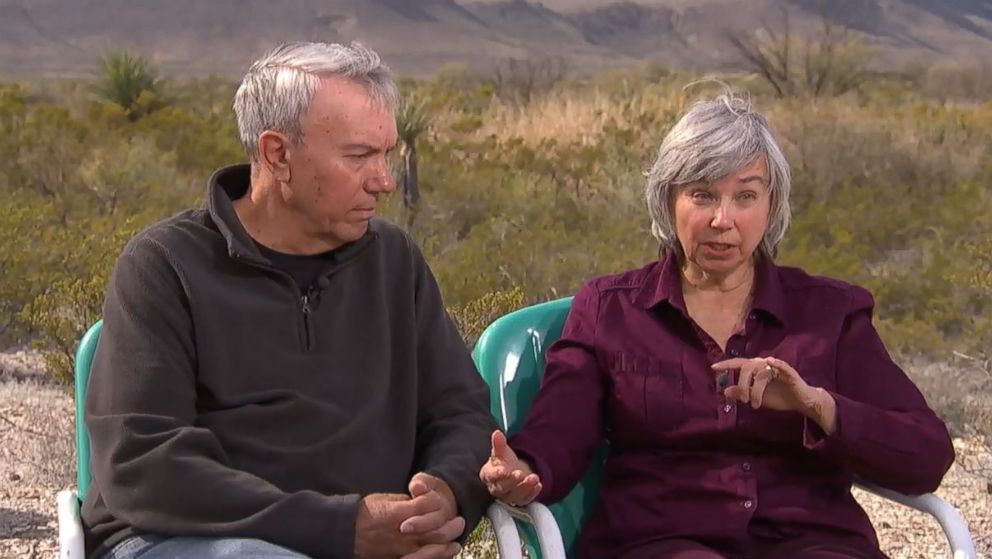
David Kaczynski
Brother of Ted Kaczynski who identified his writing and turned him in to the FBI
Ted Kaczynski's younger brother who recognized the writing style in the published manifesto and alerted the FBI, leading to Ted's arrest. He donated the reward money to victims' families.
person
Victim
arrow_forward
Hugh Scrutton
Sacramento computer store owner and first Unabomber fatality
Sacramento computer store owner killed by a nail-and-splinter-loaded bomb left in the parking lot behind his store on December 11, 1985. He was the Unabomber's first fatality.
Convicted
arrow_forward
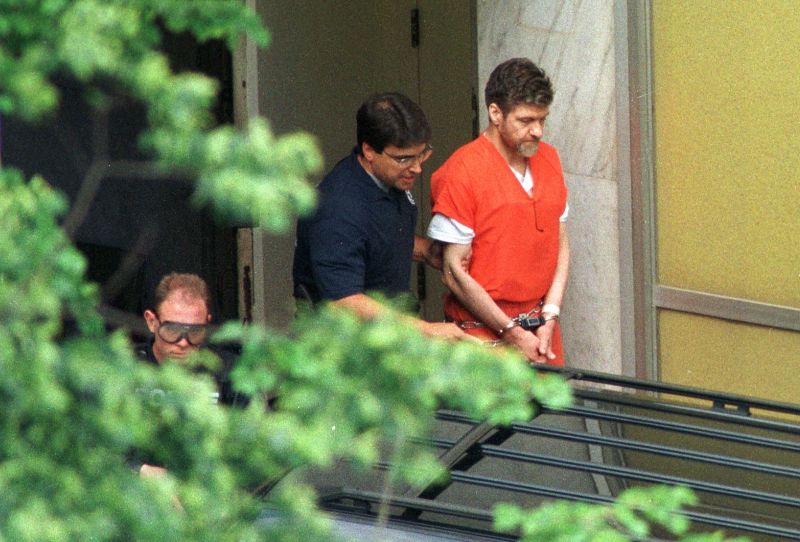
Ted Kaczynski
Domestic terrorist known as the Unabomber who conducted a 17-year mail bombing campaign
Former UC Berkeley mathematics professor who conducted a 17-year mail bombing campaign from a remote cabin in Montana. Pleaded guilty in 1998 and was sentenced to life without parole. Died by suicide in federal custody in 2023.
person
Victim
arrow_forward
Thomas Mosser
Advertising executive at Young & Rubicam and former Burson-Marsteller COO killed by mail bomb
Advertising executive at Burson-Marsteller killed by a mail bomb at his home in North Caldwell, New Jersey on December 10, 1994.
person
Victim
arrow_forward
Gilbert Murray
President of the California Forestry Association and final Unabomber victim
President of the California Forestry Association killed by a mail bomb at his Sacramento office on April 24, 1995. He was the Unabomber's final victim.